Why Are Graded Vintage Comic Books So Valuable?
Reviewed by: Dave’s Finest Collectibles
Last Updated: May 18, 2026
Market Insight: Current market trends show high-grade Silver Age classics and scarce Golden Age keys outperforming raw copies by over 200% in auction value due to professional preservation.
Vintage comic books are valuable because of a perfect storm of historical significance, extreme scarcity, and physical condition. When a rare book is professionally graded and preserved, its value skyrockets because collectors are willing to pay a massive premium for verified authenticity and pristine eye appeal.
TL;DR: Quick Breakdown of Comic Value
- Condition is King: Books in the 8.5 to 9.0+ range are exceptionally rare for vintage eras because most were read and discarded.
- Historical Firsts: Key issues featuring character origins or first appearances drive the highest demand.
- Scarcity Over Grade: For ultra-rare Golden Age books (1930s–1940s), even a low grade like a 1.5 is highly valuable because so few copies exist.
1. Exceptional Condition and White Pages (The Silver Age Paradox)
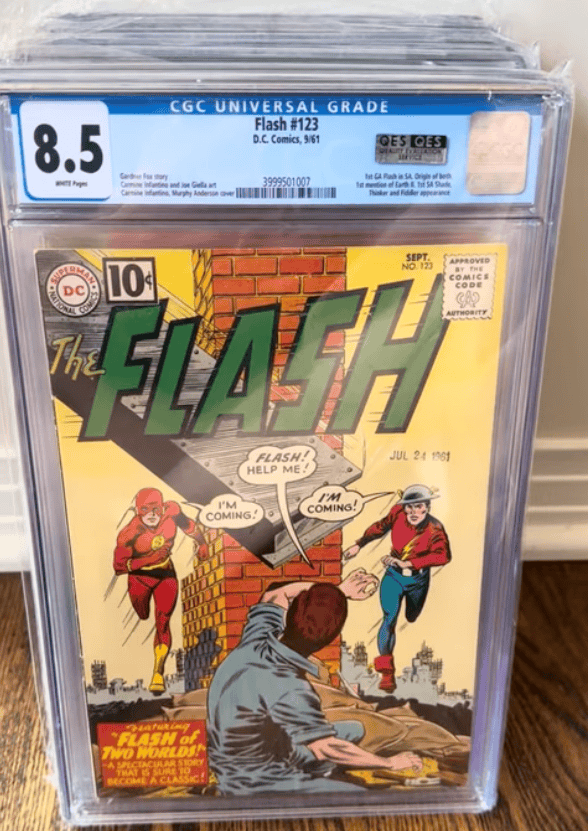
- The Flash #123 (8.5 Grade): This legendary issue features “The Flash of Two Worlds,” crossing over the Golden Age Flash (Jay Garrick) and Silver Age Flash (Barry Allen). While most copies are beat up, finding an 8.5 copy with pristine white pages is almost unheard of.
- The QES Label Advantage: Books with a Quality Elasticity Score (QES) label indicate exceptional eye appeal for the assigned grade, making them highly coveted “eye candy” for top-tier collectors.
- X-Men #12 (9.0 Grade): Featuring the origin of Professor X and the first appearance of the Juggernaut, pulling a 9.0 copy of this book is an absolute anomaly that commands premium market pricing.
Typical Vintage Condition vs. Rare Collector Condition
[3.0 - 4.0 GD/VG]  =================> Average surviving copy (Heavy wear)
[8.5 - 9.0 VF/NM]  ====> High-grade rarity (Premium value & eye appeal)
2. Extreme Rarity from the Golden Age (1930s–1950s)
For Golden Age comic books, the rule book changes completely. You don’t need a high grade for a book to be worth thousands of dollars—you just need the book to exist.
Human Torch #1 (1940)
Published by Timely Comics (which later became Marvel), this is a true holy grail of the Golden Age. It rarely ever comes up for public auction. Even at a low 1.5 condition grade, its scarcity makes it a centerpiece of any elite collection.
3. Early Appearances Offer High-Value Alternatives
Everyone wants the historic first appearance of a character, but those keys often price out average investors. Smart collectors target early, alternative appearances to get historic significance at a fraction of the cost.
Consider Detective Comics #30, which features the fourth appearance of Batman:
| Comic Issue | Significance | Market Reality | Investment Dynamic |
|---|---|---|---|
| Detective Comics #27 | 1st Appearance of Batman | Costs $600,000–$700,000 in mid-grade | Historically iconic but financially out of reach for most. |
| Detective Comics #30 | 4th Appearance of Batman | Costs roughly 2% of Detective Comics #27 | One of the earliest Golden Age Batman covers available at an accessible value point. |
4. Legendary Artwork and Key Modern Firsts
- Influential Artists: Golden and Silver Age books featuring covers by legendary artists like Matt Baker (renowned for his work on Authentic Police Cases) or classic Timely runs like All Winners #14 and All Flash #29 are highly prized for their historical artistic merit.
- Modern Key Issues: The value trend carries into later eras with books like New Mutants #98 (the first appearance of Deadpool) and Daredevil #131 (the first appearance of Bullseye), proving that character legacy always dictates long-term demand.
What's In Your Collection?
Ready to Talk Shop?
What is your favorite collectible in your own personal library? Leave a comment below, or check out our latest collection videos to see more incredible comic book finds!
[Click Here to Start Your Free Appraisal at SellMyComix.com]