How to Sell an Inherited Estate Comic Book Collection: Complete Guide
Introduction
Inheriting a comic book collection from a family member’s estate can feel like stepping back in time. It is often a bittersweet experience filled with nostalgia, as well as uncertainty about what to do next.
Estate comic collections often contain hundreds or thousands of single issues, digest books, treasury editions, and vintage magazines spanning multiple decades. Determining how to organize, appraise, and sell these collections without getting overwhelmed can be a challenge.
In this guide, we break down a recent estate comic acquisition picked up in Los Angeles. You will learn how comic buyers evaluate estate inheritances, the difference between key issues and common filler material, and how to sell a full collection easily without cherry-picking.
TL;DR / Key Takeaways
- Full-Collection Buyers Save Time: Working with estate buyers willing to purchase entire collections—including common filler—eliminates the stress of leftover inventory.
- Value Extends Beyond Key Issues: Silver and Bronze Age Superman, Jimmy Olsen, Treasury Editions, and vintage Digests carry solid bulk value even without major key issues.
- Phased Purchasing Works Best: Large estate collections can be sold in batches, allowing family members to search for hidden high-value books at their own pace.
- Seamless Local & Remote Pickup: Estate collections can be picked up locally in major metropolitan areas like Los Angeles or shipped via insured, prepaid shipping labels nationwide.
Key Definitions
- Key Issue: A comic book featuring a major milestone, such as a first character appearance, origin story, death, or title launch, which drives high market demand.
- Common Material (Filler): Standard, non-key comic book issues that make up the bulk of vintage runs. While less valuable individually, they hold strong value in full collection purchases.
- Silver Age: The iconic era of comic books published roughly between 1956 and 1970, marked by 10-cent and 12-cent cover prices and superhero revivals.
- Bronze Age: The comic publishing era spanning from roughly 1970 to 1985, characterized by darker storylines, 15-cent to 35-cent cover prices, and expanded pop-culture adaptations.
- Treasury Edition: An oversized comic book format published during the 1970s and 1980s, often measuring 10×13.5 inches and featuring special movie adaptations or character crossovers.
Inside an Inherited Estate Comic Acquisition
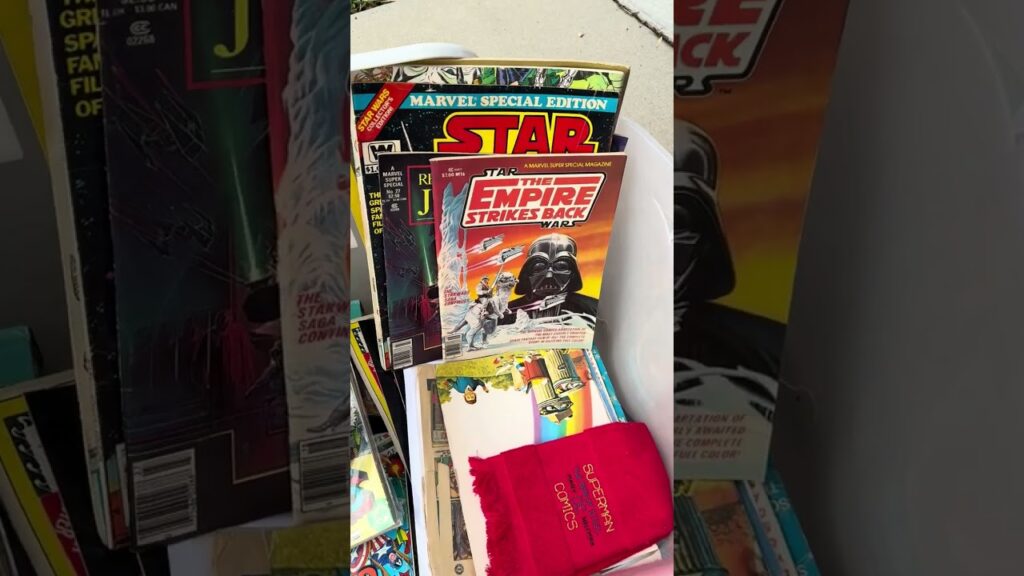
We recently picked up a large comic collection from a local family in Los Angeles who inherited the material from a late relative. The estate contained a rich variety of vintage publication formats, showcasing a lifetime of collecting.
The collection featured 12-cent Silver Age DC titles like Superman and Superman’s Pal Jimmy Olsen, alongside Bronze Age magazines, Blue Ribbon Digest reprints, and oversized Treasury Editions like The Empire Strikes Back movie adaptation.
Why Common Material Still Holds Estate Value
Many comic book buyers only look for high-dollar key issues, leaving families stuck with tubs of “common” filler material. However, reputable buyers evaluate full collections as a whole.
Even without major individual key issues present, well-preserved Silver and Bronze Age common issues carry significant collective value for readers, set-builders, and nostalgists.
Flexible Estate Purchasing Options
Estate liquidations often happen in stages. In this Los Angeles pickup, the family sold the primary bulk collection first, while setting aside time to search through remaining boxes for potential high-value key issues.
A trustworthy buyer will purchase the main bulk collection upfront at a fair price and remain available to evaluate and acquire higher-end key issues independently whenever they are uncovered.
Direct Answer Guide for Estate Sellers
How do you sell a comic book collection inherited from an estate?
The best way to sell an inherited comic collection is to contact an established buyer who purchases entire collections intact. Provide initial photos showing the overall volume, publication eras (look at cover prices like 10¢, 12¢, or 20¢), and storage condition. Reputable estate buyers will provide a fair bulk offer and handle local pickup or prepaid insured shipping.
Are vintage comic books without key issues worth selling?
Yes. Even if a collection lacks high-profile “key issues” like first character appearances, full collections of Silver and Bronze Age comics hold substantial bulk value. Complete runs of standard issues, Treasury Editions, and digests are sought after by collectors filling gaps in their personal archives.
Frequently Asked Questions
How can I tell what era my inherited comic books are from?
You can quickly identify comic eras by checking the cover price. Pre-1956 Golden Age comics range from 10¢; Silver Age comics (1956–1970) feature 10¢ and 12¢ prices; Bronze Age comics (1970–1985) range from 15¢ to 35¢. You can verify issue details on official catalog databases like the Grand Comics Database.
Do I need to grade or slab inherited comics before selling?
No. Professional grading (such as CGC or CBCS) is costly and time-consuming. Experienced comic buyers can evaluate raw, unslabbed collections accurately based on clear photos or in-person estate evaluations.
What should I do if I suspect there are key issues hidden in the collection?
Sell the bulk collection first to clear space and unlock cash value, or hold back suspected key boxes to review carefully. Professional buyers will gladly buy common inventory upfront and evaluate higher-end key books separately whenever you find them.
Do buyers pick up estate comic collections in person?
Yes. Buyers located in major regions (like Los Angeles or Southern California) frequently offer direct estate pickups. For sellers located elsewhere, buyers provide fully insured, prepaid shipping boxes and labels.
What items do you purchase in addition to comic books?
In addition to Silver, Bronze, and Modern Age comics, buyers actively evaluate sports cards, non-sports trading cards, vintage yearbooks, and pop-culture memorabilia. You can submit your items directly through our valuation form at sellmycomix.com.
Conclusion
Selling an inherited comic book collection does not have to be a daunting task. Whether your family estate holds iconic key issues or boxes of nostalgic Silver and Bronze Age classics, working with a straightforward buyer guarantees a smooth, stress-free transaction.
If you have an inherited estate collection of vintage comic books, sports cards, or collectibles you want to sell, contact our team today at sellmycomix.com for a free evaluation and direct cash offer.