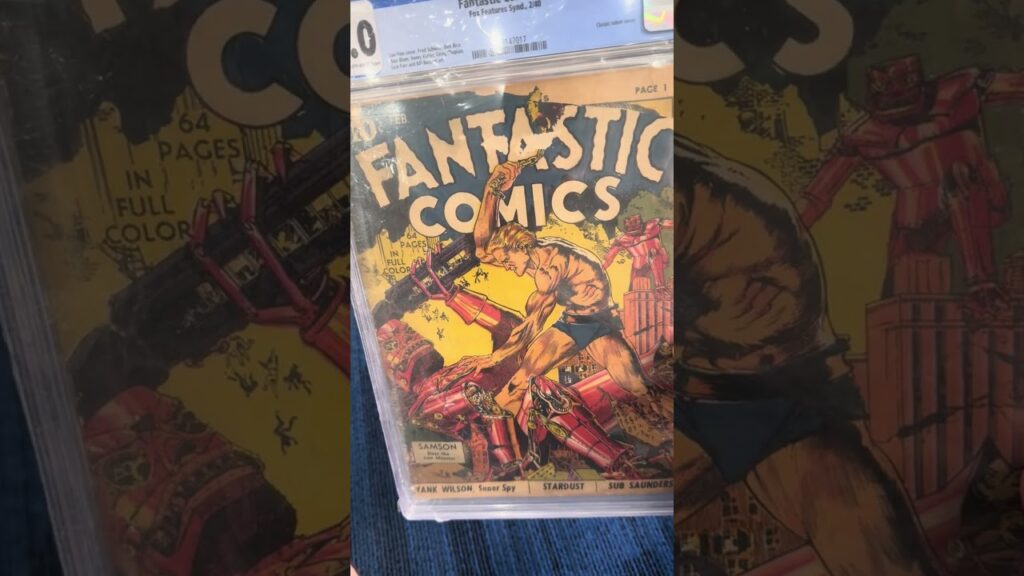
Unlocking Rare Golden Age Comics: From Centaur & Fox Ghosts to Neal Adams Classics
Finding true ‘ghost books’ in the comic collecting world is a rare event. While Silver Age and Modern superhero books regularly dominate headlines, the true holy grails of vintage comic history often lie buried in quiet, obscure Golden Age collections.
In our latest collection acquisition, Sell My Comix unearthed an extraordinary group of non-DC, non-Timely (Marvel) treasures—rare Golden Age gems published by obscure, pioneering houses like Centaur Publishing and Fox Feature Syndicate. Originating from the estate of a historic New York comic book artist whose original work inspired mid-century comic masters, this estate showcase highlights legendary titles alongside timeless Bronze Age keys like Neal Adams’ Iconic Batman #251.
In this guide, you will learn how to identify obscure Golden Age comic publishers, understand the immense historical value behind pre-code suspension and sci-fi art, and learn the exact steps to evaluate and sell a high-value vintage comic collection.
Key Definitions: Understanding Vintage Comic Terminology
- Golden Age Comics: Comic books published roughly between 1938 and 1956, characterized by the birth of the superhero genre, early sci-fi, horror, and pre-code mystery.
- Ghost Book: A comic collecting term referring to an extremely rare issue that almost never appears on the open market, with few known surviving copies in existence.
- Pre-Code Comics: Comics published before the implementation of the Comics Code Authority (CCA) in 1954, celebrated for intense, uncensored sci-fi, horror, and suspense artwork.
- Centaur & Fox Publishers: Pioneering 1930s comic book publishers known for producing limited print runs, iconic cover art, and short-lived series that are today considered ultra-rare.
- CGC Grading: Certified Guaranty Company (CGC)—the industry standard third-party grading service that evaluates and slab-encapsulates comic books on a 0.5 to 10.0 scale.
The Obscure Pioneers: Why Centaur and Fox Comics Command Top Dollar
When most people think of valuable vintage comics, titles like Action Comics, Detective Comics, or Marvel Mystery Comics come to mind. However, serious Golden Age collectors actively search for the obscure, small-print-run publishers of the late 1930s.
During the late 30s and early 40s, publishers like Centaur Publishing and Fox Feature Syndicate competed directly in the newsstand marketplace. Because these companies operated with smaller distribution networks and limited print runs, their surviving numbers today are a fraction of DC or Timely/Marvel output.
Centaur Publishing Highlights
- Fantastic Comics #1 & #3: Regarded as absolute ‘ghosts’ of the Golden Age. Fantastic Comics #3, featuring stunning early sci-fi robot covers, rarely surfaces in any grade.
- Amazing Mystery Funnies & Mystery Men Comics: Key anthology series that helped establish foundational tropes in American sci-fi and mystery comic art.
- Funny Picture Stories: Early anthology formats showcasing experimental narrative structures from late-1930s creators.
Fox Feature Syndicate & L.B. Cole Masterpieces
Fox Feature Syndicate publications are renowned for bold, striking imagery. Chief among Golden Age artist legends is L.B. Cole, whose work on Suspense Comics #1 is world-renowned for its vibrant poster-style colors and high-tension artwork. Cole’s graphic, eye-popping covers remain amongst the most sought-after pre-code collectibles in the industry.
Iconic Bronze Age Anchor: Batman #251 by Neal Adams
While pre-code Golden Age books represent extreme rarity, Bronze Age keys provide steady market liquidity and massive collector appeal. A prime example featured in this collection showcase is Batman #251 (graded CGC 7.0).
Illustrated by the legendary Neal Adams, Batman #251 features one of the most recognizable Joker covers in comic book history—depicting the Clown Prince of Crime holding a giant ace card with Batman bound to it. Published in 1973, this issue revitalized the Joker into a dark, sinister villain and stands as a mandatory key issue for superhero art enthusiasts.
Direct Answer Guides for Collectors & Estate Sellers
What makes Golden Age comics from Centaur and Fox so rare?
Golden Age comics from publishers like Centaur Publishing and Fox Feature Syndicate are exceptionally rare because they were produced in low print quantities between 1938 and 1942. Unlike major publishers, smaller houses had limited newsstand distribution. Furthermore, WWII paper drives destroyed vast quantities of these early issues, leaving only handfuls of surviving copies today.
How do you determine the value of a vintage comic collection?
Determining vintage comic book value requires assessing four key criteria:
- Rarity & Publisher: Obscure Golden Age publishers (Centaur, Fox, Fiction House) often carry high value due to low survival rates.
- Key Significance: First appearances, iconic cover art (e.g., L.B. Cole or Neal Adams), and issue #1s command significant premiums.
- Physical Condition / Grade: Condition is graded on a strict 0.5 to 10.0 scale (often certified by CGC). A one-grade difference can change value by thousands of dollars.
- Market Demand & Provenance: Current collector demand and unique provenance (e.g., pedigree collections or original artist estates) add tangible value.
How can I safely sell a high-value comic book collection?
To safely sell a high-value comic collection, work with direct, reputable buyers who specialize in vintage Golden Age and Silver Age estates. Avoid general estate liquidators who may undervalue obscure titles. Top buyers provide free appraisals, transparent market pricing, immediate payment, and nationwide in-person pick-up services to ensure delicate books do not get damaged in shipping.
Frequently Asked Questions (FAQ)
Q1: What is a ‘ghost book’ in comic collecting?
A ‘ghost book’ is a slang term used by comic historians and high-end collectors to describe a book so rare that copy sightings on the open market occur only once every few years or decades. Fantastic Comics #3 is a prime example.
Q2: Are non-DC and non-Marvel Golden Age comics valuable?
Yes, absolutely. In many cases, obscure non-DC/Marvel Golden Age books (from publishers like Centaur, Fox, Standard, or Quality) are far valuable than standard superhero books of the same era because so few survived.
Q3: Why is Batman #251 considered a key issue?
Batman #251 (1973) is a major key issue because it marked the return of the Joker after a four-year hiatus, redefining him from a campy prankster into a lethal mastermind. It also features iconic cover art by Neal Adams.
Q4: Does Sell My Comix travel to pick up collections?
Yes! While Sell My Comix is based in Los Angeles, California, we regularly fly nationwide across the United States to personally inspect, appraise, and pick up valuable vintage comic book collections directly from estate sellers.
Q5: How can I sell my comic collection to Sell My Comix?
Selling your collection is simple. Visit SellMyComix.com or contact our team directly to submit photos or details of your collection. We offer competitive cash offers and handle all logistical arrangements.
Conclusion: Preserving Vintage Comic History
Unearthing rare comic treasures like Centaur’s Fantastic Comics #3 or classic L.B. Cole suspense covers reminds us of the rich, creative tapestry of early American pop culture. Whether you have inherited a family artist estate or built a personal collection over decades, these historical artifacts deserve expert handling and maximum value realization.
Ready to Value or Sell Your Comic Collection?
If you have uncovered a collection of vintage Golden Age, Silver Age, or rare non-mainstream comic books, Sell My Comix is here to help. Based in Los Angeles, we travel cross-country to provide expert appraisals, top-dollar offers, and seamless transactions.
Visit SellMyComix.com today to speak with our vintage comic specialists!