Golden Age & Bronze Age Comic Discoveries: Rare 1940s Gems and 1970s Classics
If you collect vintage comic books, you know that unearthing a stash of mid-century singles feels like uncovering hidden treasure. The comic book market isn’t just driven by flawless, mint-condition specimens locked in plastic slabs. There is immense history, demand, and value hidden within well-loved, raw books that have passed through the hands of eager readers for decades.
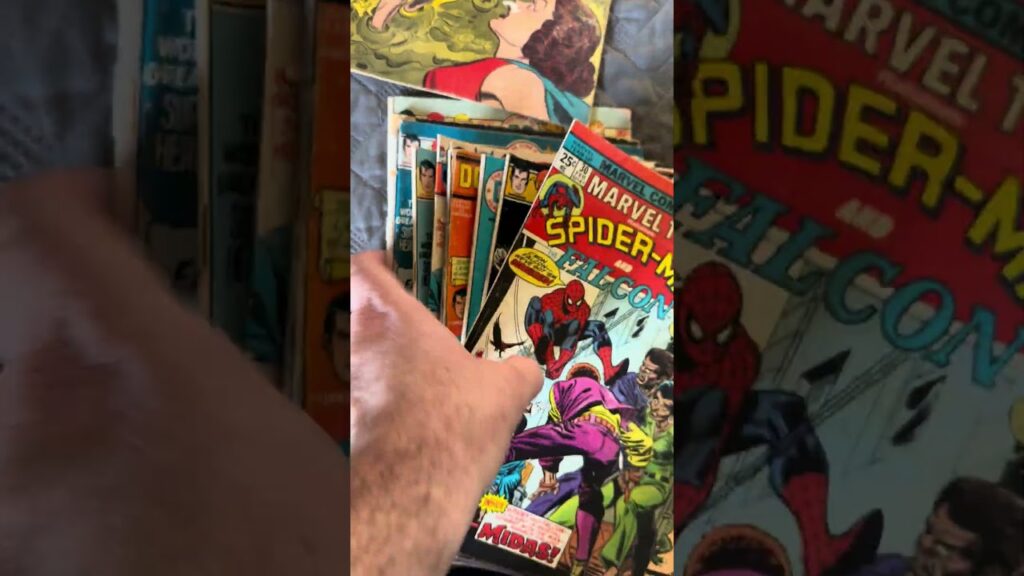
In our latest unboxing, we look at an incredible cross-era collection that bridges the Golden Age of the 1940s and the Bronze Age of the 1970s. This group showcases everything from scarce, wartime superhero anthologies to iconic, action-packed team books.
Whether you are identifying a family inheritance or growing your own collection, understanding the significance of these specific eras helps you accurately judge what these books are worth.
TL;DR: Key Takeaways
- Wartime Keys Are Scarce: Golden Age comics from the World War II era (1941–1945) are exceptionally rare due to historic paper drives and low survival rates.
- Cover Art Drives Demand: Unique, bizarre, or striking cover motifs—such as classic monster imagery—can significantly elevate the collectibility of minor characters like Doll Man.
- Bronze Age Team Books Hold Steady: 1970s Justice League of America issues remain staple targets for collectors looking to complete historical runs.
- Condition Isn’t Everything: Vintage comics that show clear signs of love and wear still retain real-world value because of their inherent historical scarcity.
Key Definitions
- Golden Age of Comic Books: The foundational era of American comic books, running roughly from 1938 to 1956, which introduced the superhero archetype and established the comic book medium.
- Bronze Age of Comic Books: A period of comic history spanning approximately 1970 to 1985, characterized by more realistic, socially conscious plotlines, darker tones, and significant character developments.
- Key Issue: A specific comic book issue that contains a major milestone, such as the first appearance of a character, an iconic cover design, or a historic origin story.
Unboxing the Highlights: From the 1940s to the 1970s
Let’s dive directly into the standout books from this recent batch. This collection perfectly illustrates how comic publishers shifted their storytelling styles from wartime America to the groovy, cosmic 1970s.
1. All-Star Comics #15 (Early 1943)
All-Star Comics #15 is a certified Golden Age heavy-hitter. Published by DC Comics’ predecessor, this legendary anthology series featured the Justice Society of America (JSA)—the very first superhero team in comic book history.
Issue #15 is highly sought after by collectors for its classic cover and historical rarity. Finding copies of All-Star Comics from the early 1940s is incredibly difficult today, as millions of copies were destroyed in national paper recycling drives during World War II.
2. Sensation Comics Featuring Wonder Woman (April 1944)
Sensation Comics was the primary home for Wonder Woman during the Golden Age, showcasing her solo adventures shortly after her historic debut.
This specific issue from April 1944 captures the Amazonian Princess at the height of her wartime popularity. Comics from this exact slice of the 1940s are highly prized for their cultural significance and their bold, vibrant cover art styles.
3. Doll Man and the Yellow Monster
Originally published by Quality Comics before the character was eventually acquired by DC, Doll Man holds the title of the very first shrinking superhero in comic history (predating Marvel’s Ant-Man by decades).
What makes certain mid-tier Golden Age books pop to collectors is standout cover concepts. This specific issue features a stunning, bizarre yellow monster cover. Unusual sci-fi or horror-adjacent themes on Golden Age superhero books always attract specialized buyers who hunt for striking aesthetic appeal.
4. A Plethora of 1970s Justice League of America
Moving forward thirty years into the collection, we hit a massive stack of 1970s Bronze Age Justice League of America (JLA) comics.
By the 1970s, the JLA roster regularly brought together DC’s heavy hitters like Superman, Batman, Flash, Green Lantern, and Wonder Woman to face off against cosmic, high-stakes threats. These books are incredibly fun to collect, and building complete runs of 1970s JLA titles remains a highly popular pursuit for modern hobbyists.
Direct Answer Blocks: Value, Wear, and Scarcity
Are worn or damaged vintage comic books still worth money?
Yes. While immaculate condition always commands top dollar, genuine Golden Age comics from the 1940s are so inherently scarce that they retain clear monetary value even when they show heavy wear, creases, or minor spine splits. Collectors often refer to these well-loved issues as “reader copies” or “affordable fillers” for highly competitive historical gaps.
Why are World War II-era comic books so rare today?
During the early 1940s, the United States organized massive wartime paper salvage drives to support the military effort. Millions of children enthusiastically donated their heavy comic book stacks to be recycled. Because of this patriotism—combined with the naturally fragile, acidic newsprint paper used at the time—only a tiny fraction of these books survived to the present day.
Frequently Asked Questions
What is the difference between the Golden Age and the Bronze Age of comics?
The Golden Age (1938–1956) founded the medium, focusing on patriotic, archetypal superhero stories and experimental genres. The Bronze Age (1970–1985) brought more mature elements to those characters, leaning into realistic social issues, darker multi-issue plotlines, and cosmic team-ups.
Who is the character Doll Man?
Created by legendary cartoonist Will Eisner in 1939, Doll Man (Darrel Dane) is the first shrinking superhero in comic book history. He used a special chemical formula to shrink down to a height of six inches while retaining his full-sized human strength.
Why is All-Star Comics historically important?
All-Star Comics is historically vital because it introduced the Justice Society of America (JSA) in issue #3. This marked the absolute first time individual comic characters from different solo series were brought together to form a unified superhero team.
Is Sensation Comics a Wonder Woman title?
Yes. While it technically ran as an anthology series, Wonder Woman was the permanent leading feature and primary cover star for the vast majority of Sensation Comics’ historic run during the 1940s.
How do I know if my old comics are worth selling?
The easiest way to find out is to look at the publication date and the issue number on the cover or interior copyright page. Books from the 1930s through the 1970s featuring prominent heroes, unique covers, or low issue numbers are always worth having evaluated by an experienced buyer.
Conclusion: Let’s Take a Look at Your Collection
From the scarce wartime pages of All-Star Comics #15 to the nostalgic, action-packed team-ups of the 1970s Justice League, vintage comic books represent a beautiful intersection of pop art and American history. Even if a collection shows some love and physical wear from decades of reading, these books still carry real historical weight and market demand.
If you have a collection of vintage comic books sitting in your closet, attic, or storage unit—whether they are pristine superhero keys or a varied mix of well-worn classics—we would love to help you find out exactly what you have.
Do you have questions about your vintage comic books? Whether you are ready to sell your collection or just want an expert opinion on your 1940s or 1970s issues, reach out to our team today to start a conversation about your books!