How to Spot Rare Comic Books: Key Issues, Timely Comics, and Valuable Gems
If you have a stack of old comic books sitting in your attic, basement, or closet, you might be sitting on a goldmine. But how do you separate the common, dollar-bin issues from the rare gems that collectors and dealers are actively hunting for?
In the comic book world, value isn’t always about the mainstream characters you see in modern movies. From Golden Age historical covers to surprising Silver Age number-ones, rare books hide in the most unexpected places.
In this guide, we will break down exactly what makes a comic book rare and valuable, highlighting real-world examples of books we actively purchase—including some historic keys that have fetched five and six figures at auction.
TL;DR: Key Takeaways
- Key Issues Matter Most: The first appearance of a superhero team or a major villain instantly elevates a book’s rarity and market value.
- Look for Timely Comics: Books published under Marvel’s original name, Timely Comics, from the 1940s are highly sought-after historic treasures.
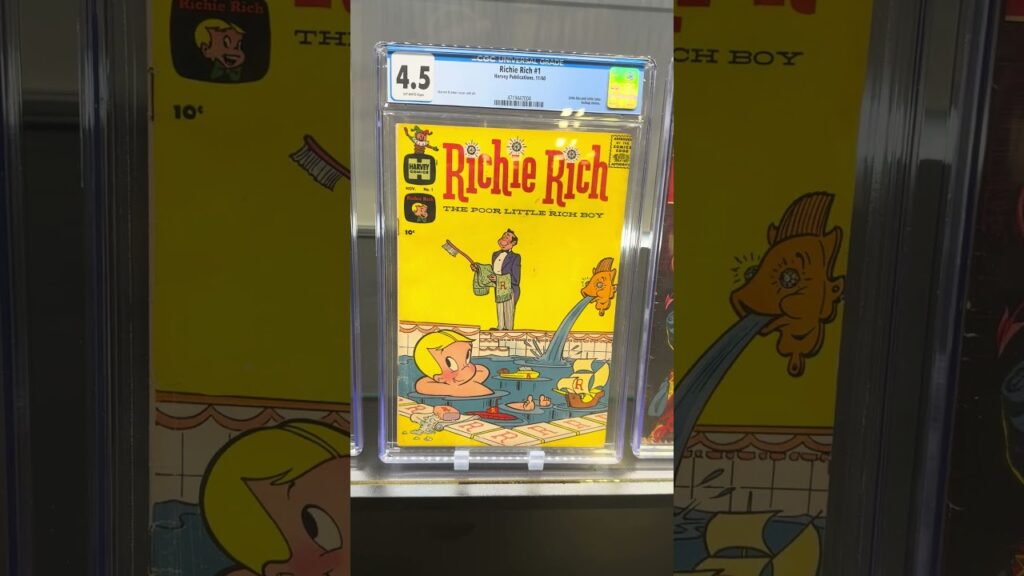
- Surprising Titles Have Value: Don’t overlook classic humor or kids’ comics; rare #1 issues of titles like Richie Rich can command massive premiums in high grades.
- Independent Comics Can Be Massive: Early printings of independent books from the 1980s, like the original Teenage Mutant Ninja Turtles, are incredibly lucrative keys.
Key Comic Book Definitions
- Key Issue: A comic book that contains a major historical milestone, such as the first appearance of a character, an origin story, or a significant artwork change.
- Golden Age: The period of comic book history running roughly from 1938 to 1956, characterized by the archetype of the superhero and intense historical wartime covers.
- Silver Age: The era running from roughly 1956 to 1970, which saw the revitalization of superheroes and the rise of highly organized team books.
- Timely Comics: The original publisher name for what would eventually become Marvel Comics in the 1960s. Books with this imprint are exceptionally rare.
- High Grade: A comic book preserved in near-perfect, flawless physical condition. Condition heavily dictates final market value.
High-Value Comic Books to Keep an Eye Out For
When we evaluate collections to purchase, we look for specific hallmarks of rarity. Here are a few major categories and specific issues that signify serious value.
1. Silver Age First Appearances
The Silver Age brought back the superhero genre with a focus on team dynamics and iconic sci-fi origins.
A prime example is The Brave and the Bold #28 (1960). This landmark issue features the very first appearance of the Justice League of America (JLA). Because it brought together heavy hitters like Wonder Woman, Batman, Superman, Flash, and Green Lantern for the first time, it remains one of the most heavily traded and desired Silver Age keys in existence.
2. Golden Age Rarities and Timely Comics
During the 1940s (the Golden Age), comic books were printed on cheap paper, and many were thrown away during wartime paper drives. This makes surviving copies incredibly scarce.
Comics from Timely Comics—featuring early versions of the Human Torch, Captain America, or the Sub-Mariner—are holy grails for collectors. Keep an eye out for titles like Marvel Mystery Comics.
Additionally, historical wartime covers from the early 1940s are deeply valued. Issues featuring prominent historical figures or distinct propaganda art—such as classic covers depicting Adolf Hitler—are highly collectible pieces of history that command a premium regardless of the character.
3. Surprising Golden & Silver Age #1 Issues
Many people assume only superhero books are worth money. That is a misconception that could cost you thousands.
Consider Richie Rich Millions #1 from 1961 (or the core Richie Rich #1 from 1964). While Harvey Comics characters like Richie Rich or Casper the Friendly Ghost seem common, finding an authentic, high-grade #1 issue is exceptionally difficult. In fact, a super high-grade copy of Richie Rich #1 recently commanded as much as $60,000 at auction.
4. Iconic Independent Modern Keys
Value didn’t stop in the 1970s. The 1980s birthed the independent comic boom, creating some of the most expensive modern keys in history.
The absolute king of this era is Teenage Mutant Ninja Turtles #1 (1984), created by Kevin Eastman and Peter Laird and published by Mirage Studios. The first printing had an incredibly small print run of only a few thousand copies. If you have an authentic, oversized 1984 first print of TMNT #1, you are holding a book worth thousands of dollars.
Direct Answer Blocks: What Makes a Comic Valuable?
What is the most important factor in determining a comic book’s value?
The most important factor is a combination of historical significance (being a “key” issue) and physical condition (grade). A common comic book in perfect condition is rarely worth much, and a legendary key issue in completely destroyed condition will see its value heavily reduced. The highest prices are always fetched by historic keys preserved in flawless, high-grade state.
How do I know if my comic book is a rare first printing?
To verify a first printing, look at the indicia—the small, fine print typically found on the bottom of the very first page or the inside front cover. It will list the publication date, issue number, and copyright details. For modern books (1980s onward), check the barcode on the front cover; the final digits often indicate the printing number.
Frequently Asked Questions (FAQ)
Are 1990s comic books worth any money?
Generally, most comic books from the 1990s are not valuable because publishers printed millions of copies to satisfy a speculative bubble. However, there are notable exceptions, such as early appearances of Venom (The Amazing Spider-Man #300) or The New Mutants #98 (first appearance of Deadpool).
What are classic LB Cole and Blonde Phantom comics?
L.B. Cole was an artist famous for his bold, surreal, and highly geometric sci-fi and horror comic covers of the 1940s and 50s. Blonde Phantom was a popular Timely Comics masked heroine. Both are highly prized by collectors specifically for their stunning cover art and historical scarcity.
How can I safely store my old comic books to preserve their value?
Store your comic books vertically in acid-free archival bags backed with thick comic boards. Keep them in a cool, dry, dark place away from direct sunlight and humidity, as moisture and UV light will yellow the pages and fade the cover inks.
Does a comic book have to be graded by CGC or CBCS to be valuable?
No, a comic book does not have to be professionally graded to be inherently valuable. However, third-party grading authenticates the book, protects its physical condition, and provides an official grade score, which makes it much easier to sell to collectors for top dollar.
What should I do if I find classic Batman villains like the Riddler or Batwoman in old comics?
If you find Silver or Golden Age issues featuring the introduction or early appearances of characters like the Riddler, Batwoman, or Batgirl, do not handle them roughly. These are major keys in the Batman mythos and should be evaluated by an expert immediately.
Do You Have Books Like These? We Buy Comic Book Collections!
Identifying rare comic books can feel overwhelming, but you don’t have to figure it out alone. Whether you own Silver Age superhero keys, historic 1940s Timely issues, or classic independent books, we are always looking to buy high-quality collections.
If you have books similar to the ones mentioned in this article—or if you suspect your collection contains hidden gems—feel free to reach out and let us know what you have. We would love to take a look, help you understand what you own, and offer a fair price for your vintage comics. Get a free quote today.